What is a biofilm and why should I be worried?
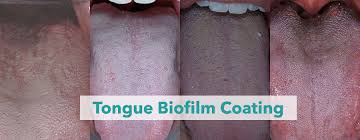
A biofilm is a normal part of life and we are in contact them every day. Biofilms are nothing new and you are actually quite familiar with them from your daily life. The plaque that forms on your teeth and causes tooth decay is a biofilm. The slimy inside of a clogged drain is a biofilm. You may have also encountered biofilms on slippery rocks when walking down a creek bed. Hopefully you didn’t fall and land in the creek!
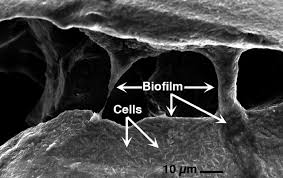
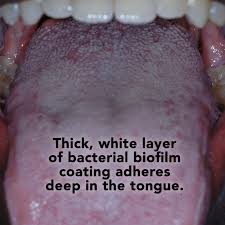 Biofilm
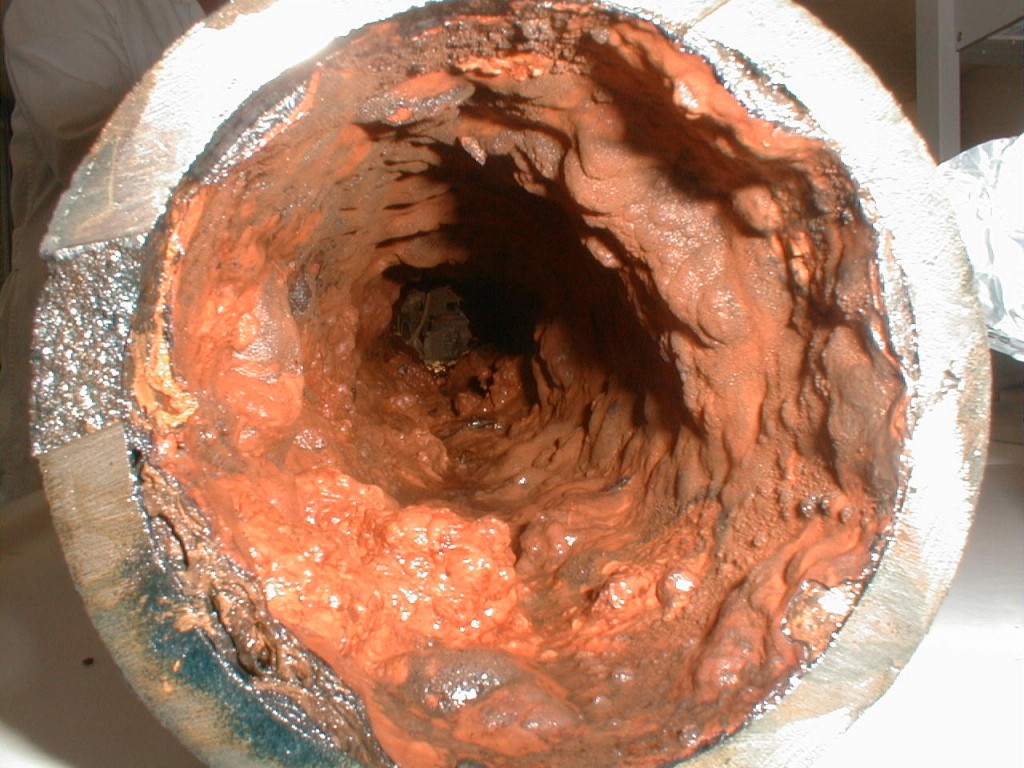
Holy biofilm! This is biofilm on the inside of a pipe.
Biofilms are actually large bacterial communities that are antibiotic-resistant and cover most moist surfaces on Earth. Think of them as a layer of slime. These biofilm formations are always present in chronic diseases because they cover up the bacterial colonies and protect them. Antibiotics won’t really work to eradicate them. Biofilm colonies are also notorious for causing the infections caused during orthopedic joint replacement surgeries.
Biofilm forms whenever bacteria stick to surfaces in some form of moist and wet environment. Think of them as a slime or a gel. Disease causing bacterial infections use biofilms for survival to cover and protect themselves. Biofilms also act like “glue” to hold colonies of bacteria together. They are symbiotic. This is important because the bacteria are continually multiplying and want to evade the immune system. They need a shelter. Biofilm forms a slimy, syrupy, glue-like substance that holds it all together and protects it. The bacterial colonies hide underneath it.
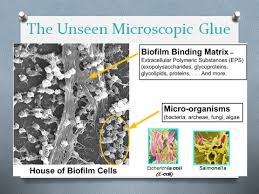
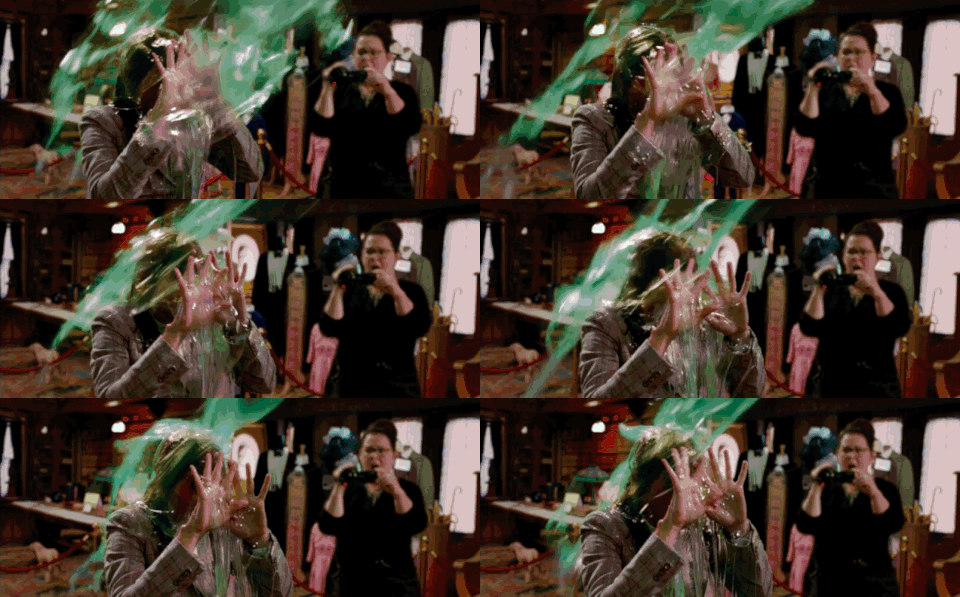
I imagine that if you felt a bunch of biofilm it would be slimy- similar to the green goo from the Ghostbusters movies. The Ghosts could shoot this slimy goo called Ectoplasm. Bill Murray played in these movies. Biofilm sounds similar to this goo but on a much smaller scale – the size of bacteria.

Biofilm
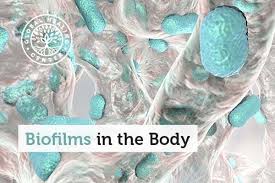
Biofilm helps bacteria infections form a little protected community. Biofilm allows bacteria to stick to all kinds of materials. It can stick to everything- metals, plastics, artificial joint replacements, wood, dental tools, locker rooms, bodily tissues- quite literally everything. Here are some examples of where biofilm forms in the human body:
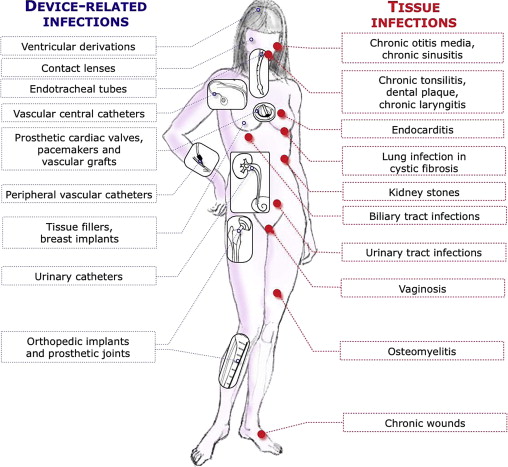
Common sites of biofilm infections.
A biofilm means you will have to deal with more than one type of bacteria. Different species of bacteria d have come together as a group and they all secrete this slimy protective barrier to protect them all. It’s a herd community under there. It’s the wild wild west.
 It’s a hectic life under a biofilm layer
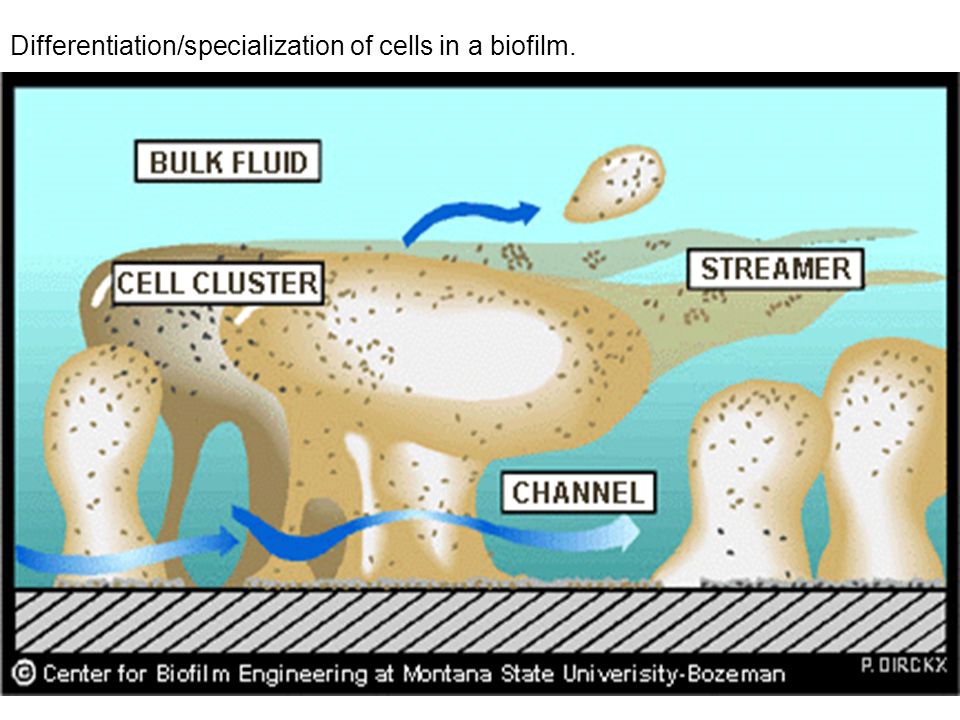
The bacterial infections all come together under this protective slime and have their own little community. All the bacteria talk to each other and they evolve. The bacterial community even erects an infrastructure of towers and tunnels under the biofilm. This holds it up so that bacteria can move stuff around. It’s very close to a little tiny city under there. There are channels that emerge from underneath the biofilm. The bacterial infections get rid of their poisons by releasing them through these channels.
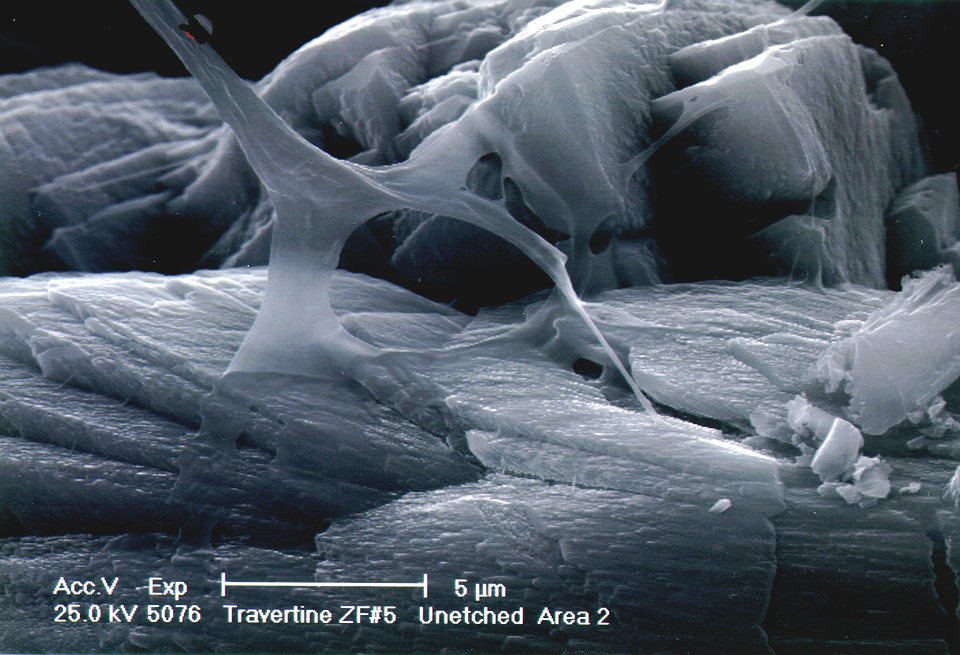
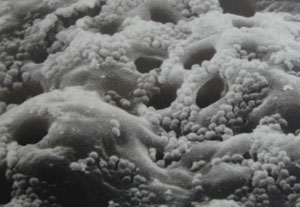
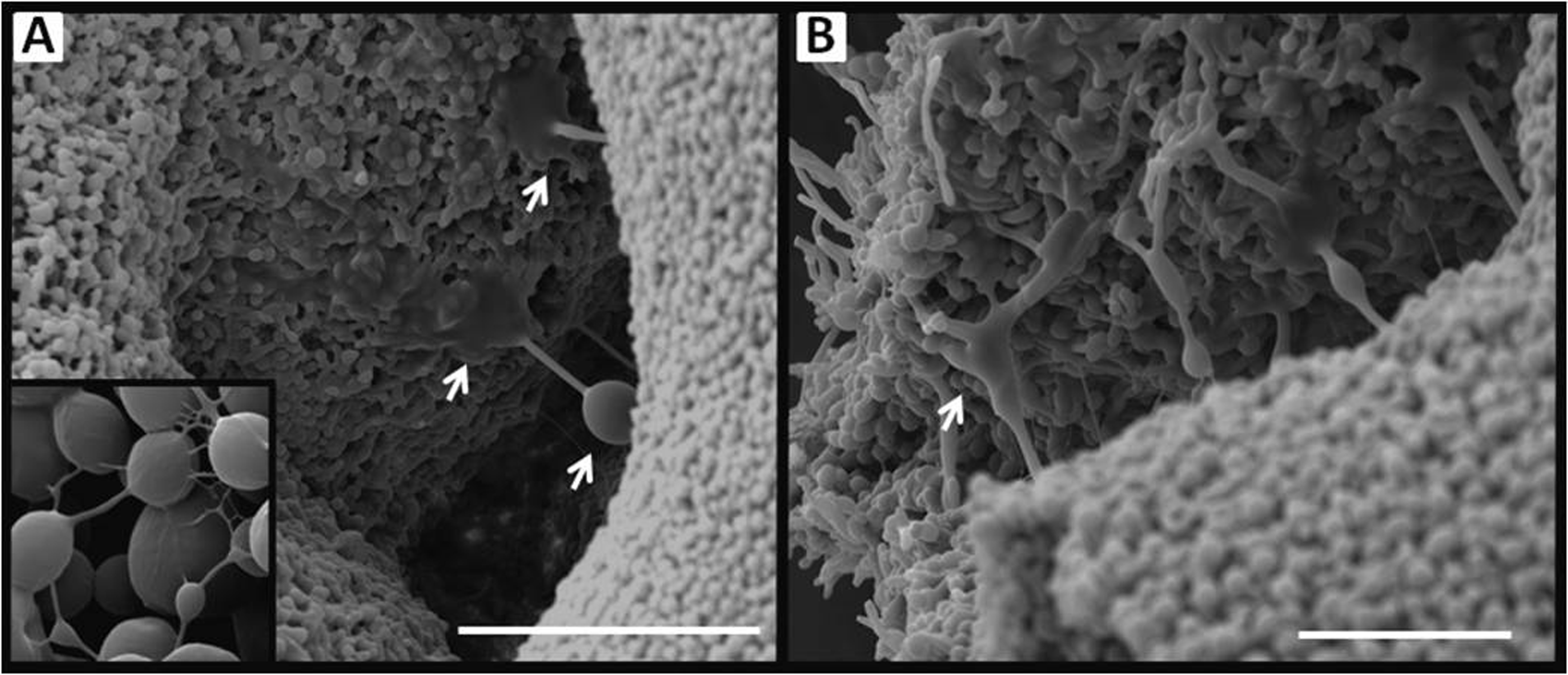
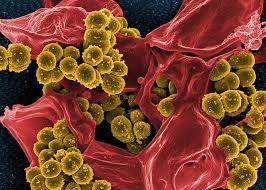
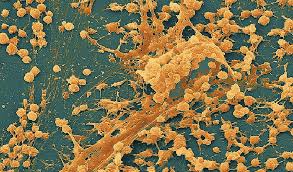
Biofilm close ups. These are so fascinating!
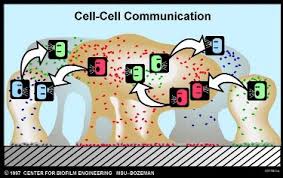 Biofilm allows bacteria to survive and reproduce
Biofilm colonies can spread from place to place throughout the body by breaking off in the form of streamers. Think of the mossy stone in the creek bed. The biofilm is a slimy glue like matrix created by the bacteria that cannot be eliminated and is resistant to antibiotics. The streamers of infection can migrate throughout the body through the bloodstream and spread literally anywhere.
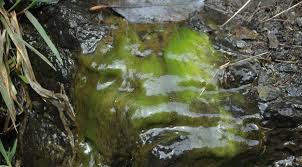
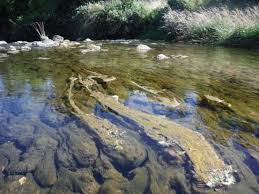
Clumps of biofilm will be released into the bloodstream and they will spread throughout the body. It is a brilliant survival technique. It is very difficult to beat biofilm. It is continually reproducing itself too!
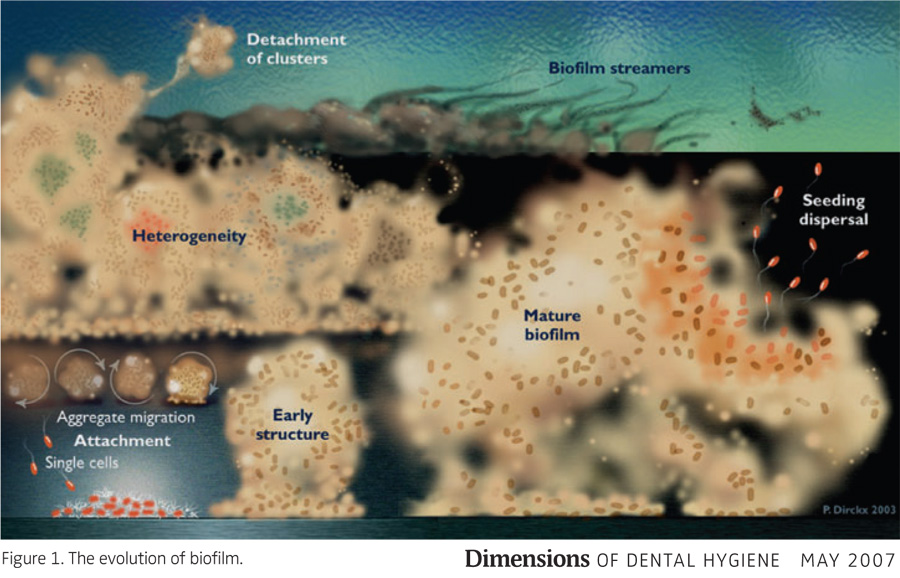
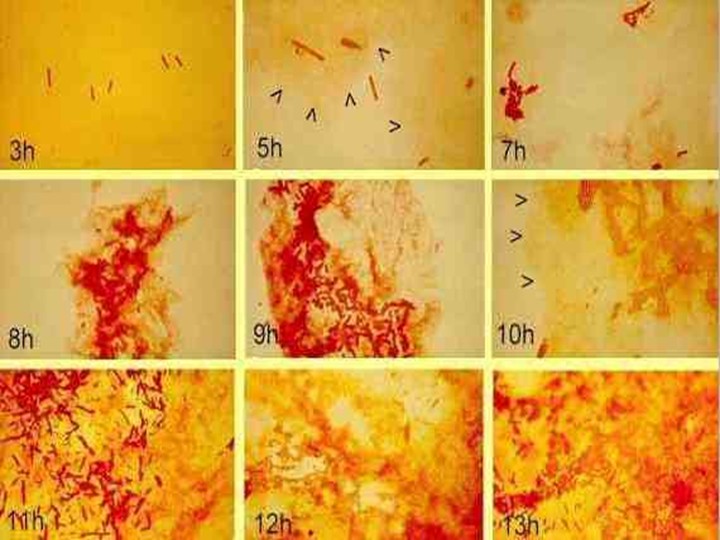
Biofilm is universal. It is present in all creatures.
How will you cope with biofilm?
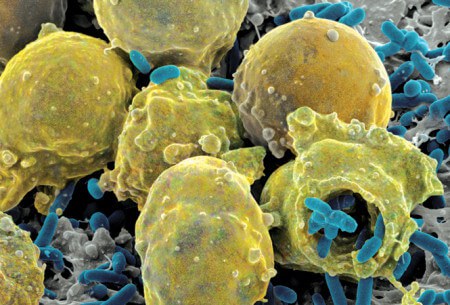
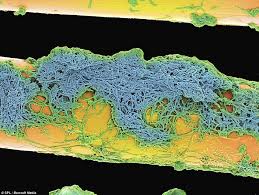
Other creatures like fungi and algae can also form biofilms. A biofilm may form on any surface exposed to bacteria and moisture.
Now this is important:
Could biofilm explain the persistence of Lyme (or any chronic disease that you just can’t seem to get over)?
These disease causing bacterial biofilm are amazing, they really are. Bacterial biofilm producing colonies were around on Earth before the time of the dinosaurs. They are still surviving due to the ability of producing biofilm. They even survived all of the great extinctions of earth.
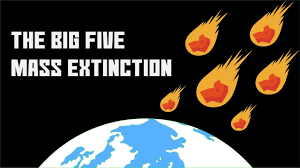
Biofilm production is a bacterial survival strategy that those extinct dinosaurs didn’t have.
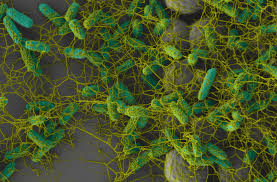 E. Coli with their stringy biofilm can survive almost anywhere.
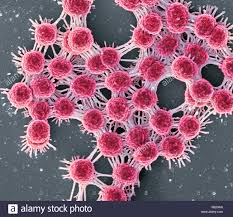 This beautiful biofilm example is human saliva
Different bacteria prefer to infect different animals. Some bacteria prefer to infect humans. These are the ones we hear about because they make us ill. The bacteria use us simply a place to live- it’s just what they do. Living in mammals is their purpose on this earth. It’s nothing personal to them.
Certain groups of bacterial infections have evolved to all live together, in harmony, in our body. Not only do they live in harmony together but they each make the others stronger. This is called symbiosis.
Symbiosis: any type of a close and long-term biological interaction between two different biological organisms, be it mutual, commensal, or parasitic.
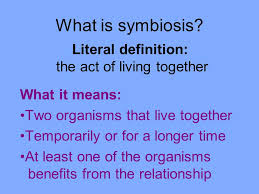

Each different bacterial strain contributes to the whole community and makes the community as a whole stronger. Once under the biofilm, some bacteria will even become specialized to make energy for supporting the whole community. The bacteria must communicate and learn from each other to survive. They trade their DNA in a process called genetic recombination and crossing over. This is a transfer of knowledge. When bacteria learn how to successfully evade the immune system, biofilm production and genetic recombination allows it to teach the rest of the bacteria in the community how to evade it. It is as simple as that. Biofilm production is a survival tactic bacteria have evolved over millions of years for protection and survival.
Please catch the point that I just made about genetic transfer of information. The bacteria are swapping knowledge!
The bacteria communicate with each other. They acquire survival information and they pass that knowledge along to the rest of the herd. They find weaknesses in our bodies and our immune systems and they pass that information along to the rest of them. They teach each other and learn from each other.
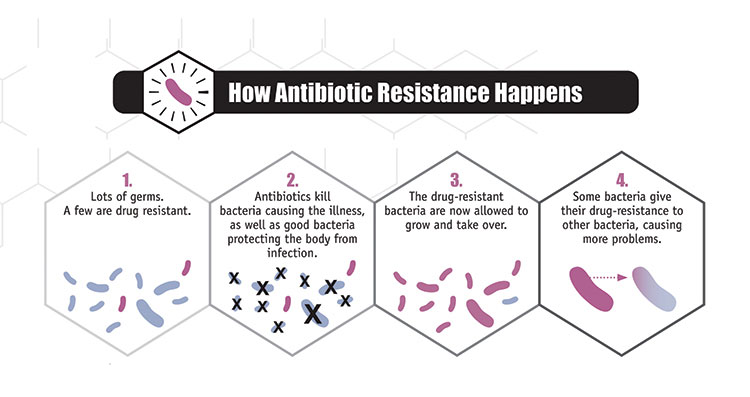
Biofilm evolves. It’s fluid… In order to effectively treat it your treatment approach must also evolve. I think that you need to change your treatment approach up every now and then if you want to have any measure of success. The infections will develop a tolerance and the treatments will become less effective over time if you don’t.
Here’s a few more biofilm pics
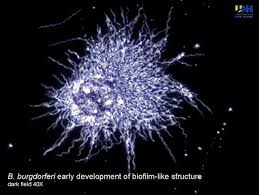
Borrellia producing a biofilm. You can see the individual spirochetes!
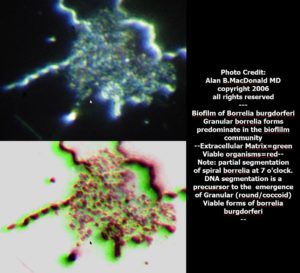
You can actually see Borrellia changing shapes. The round dot at 7 O’ clock shows the bacteria beginning to shed it’s DNA as it changes shape from a spiral to a circle. It can go into remission when it becomes a round shape. Google Borrellia Granular Shedding for more info.
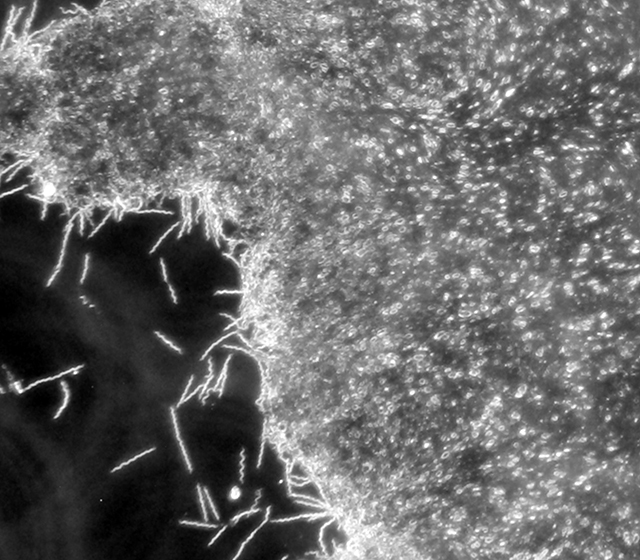
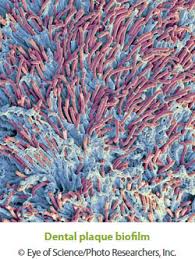 Dental Biofilm
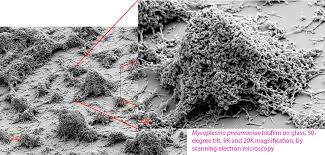 Mycoplasma in Biofilm
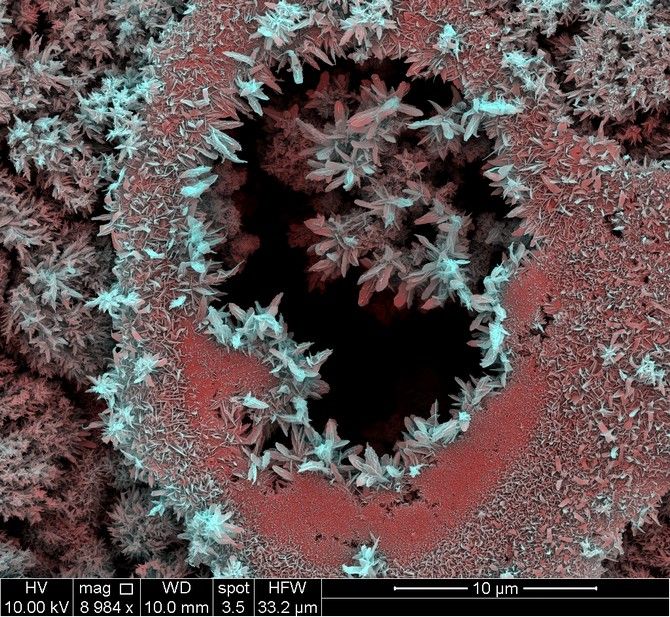 Scanning Electron Microscopy of Biofilm
2 comments
I like the efforts you have put in this, thankyou for all the great articles.
so much fantastic info on here, : D.